


Breast Cancer

Breast cancer is a disease in which malignant cells form in breast tissue and can spread if untreated.
Overview
Breast cancer develops when abnormal cells grow uncontrollably in the ducts or lobules of the breast. The ducts are responsible for carrying milk to the nipple, while the lobules produce milk. When cancer forms, it can spread beyond the breast through blood or lymph vessels, leading to metastasis. The most common types of breast cancer are invasive ductal carcinoma and invasive lobular carcinoma, although other rare forms also exist.
Several factors can increase the risk of developing breast cancer. Aging plays a significant role, as most cases occur after the age of 50. Genetic mutations, particularly in the BRCA1 and BRCA2 genes, and a family history of breast or ovarian cancer also heighten the risk. Other contributing factors include early menstruation (before age 12), late menopause (after age 55), dense breast tissue, previous radiation therapy, and a personal history of breast conditions. Lifestyle-related factors such as obesity after menopause, physical inactivity, long-term hormone therapy, alcohol consumption, and having a first pregnancy at an older age or not at all can also contribute to the likelihood of developing breast cancer.
Symptoms & Diagnosis
Breast cancer symptoms vary but may include a lump in the breast or underarm, thickening or swelling of the breast, changes in size or shape, nipple discharge, or persistent pain. Some people may not experience symptoms, making regular screening crucial for early detection.
Diagnosis includes mammograms, ultrasounds, and MRIs, which help detect abnormal growths. A biopsy is performed to confirm cancer and determine its type. Additional tests, such as hormone receptor and HER2 status, help doctors decide on the most effective treatment.
Treatment
Breast cancer treatment depends on the stage, type, and individual health factors. Surgery is often the first step and may involve either a lumpectomy or mastectomy, with or without lymph node removal. Chemotherapy is used to shrink tumors before surgery or destroy remaining cancer cells afterward.
Radiation therapy targets cancer cells left after surgery, while hormone therapy and targeted therapy block cancer cell growth for hormone-positive or HER2-positive cancers. Immunotherapy may be recommended for advanced cases to help the immune system fight cancer.
Procedure Details
Breast cancer surgery involves removing the tumor and, if necessary, surrounding lymph nodes to prevent cancer spread.
Anesthesia is administered for patient comfort.An incision is made in the breast.T
he tumor is removed (lumpectomy) or the entire breast is removed (mastectomy).
Nearby lymph nodes may be removed for evaluation.
The incision is closed, and post-operative care begins.
Recovery
Recovery varies depending on the type of surgery. Most patients heal from a lumpectomy within a few weeks, while mastectomy recovery may take longer. Swelling, pain, and temporary limited arm movement are common but manageable with medical support.
Personalized aftercare includes pain management, wound care, and physical therapy guidance to restore mobility. Regular follow-ups ensure proper healing, and additional treatments like radiation or chemotherapy may be recommended based on pathology results.
Have questions about your treatment?
Our team is available 24/7 with multilingual support.

Frequently Asked Questions
Find answers to common inquiries.
Need personalized support?
WhatsApp us for a quick response—we reply within minutes.
What types of surgeries does Dr. Gül specialize in?

Why choose Türkiye for surgical procedures?
What is the recovery time for most surgeries?
What bariatric procedures are offered at the clinic?
How much weight can I expect to lose after bariatric surgery?
What languages does Dr. Gül and his team speak?
Will I need to take supplements after bariatric surgery?
Does insurance cover these procedures?
Can I combine treatment with travel in Turkey?
What support is available after surgery?
Am I a suitable candidate for bariatric surgery?
How long do I need to stay in Türkiye?
What pre-operative tests are required?
What is the difference between gastric sleeve and gastric bypass?
What can I eat after surgery?
When can I return to work and exercise?
Are there non-surgical weight-loss options?
Is the anaesthesia safe and how is it managed?
Can bariatric surgery help with obesity-related conditions?
What follow-up care do I get after returning home?
Our Expertise
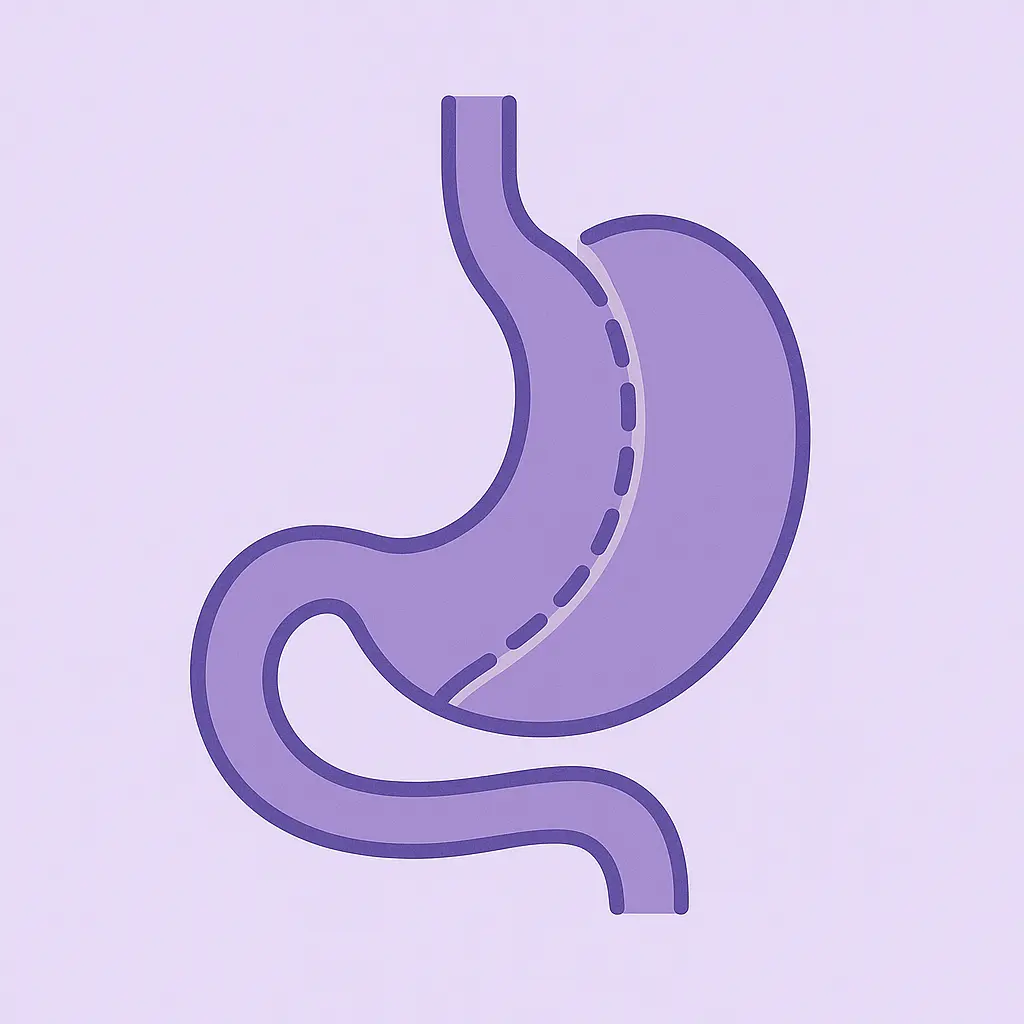
Sleeve Gastrectomy
Minimally invasive surgery for long-term weight loss with a simple procedure and no rerouting.

Mini Gastric Bypass
Simpler, less invasive gastric bypass for significant weight loss and diabetes control.

Gastric Balloon
A non-surgical, temporary option for moderate weight loss without permanent stomach changes.
Follow Dr. Gül on Instagram


