


Breast Diseases and Breast Surgery: Symptoms, Diagnosis and Treatment Options
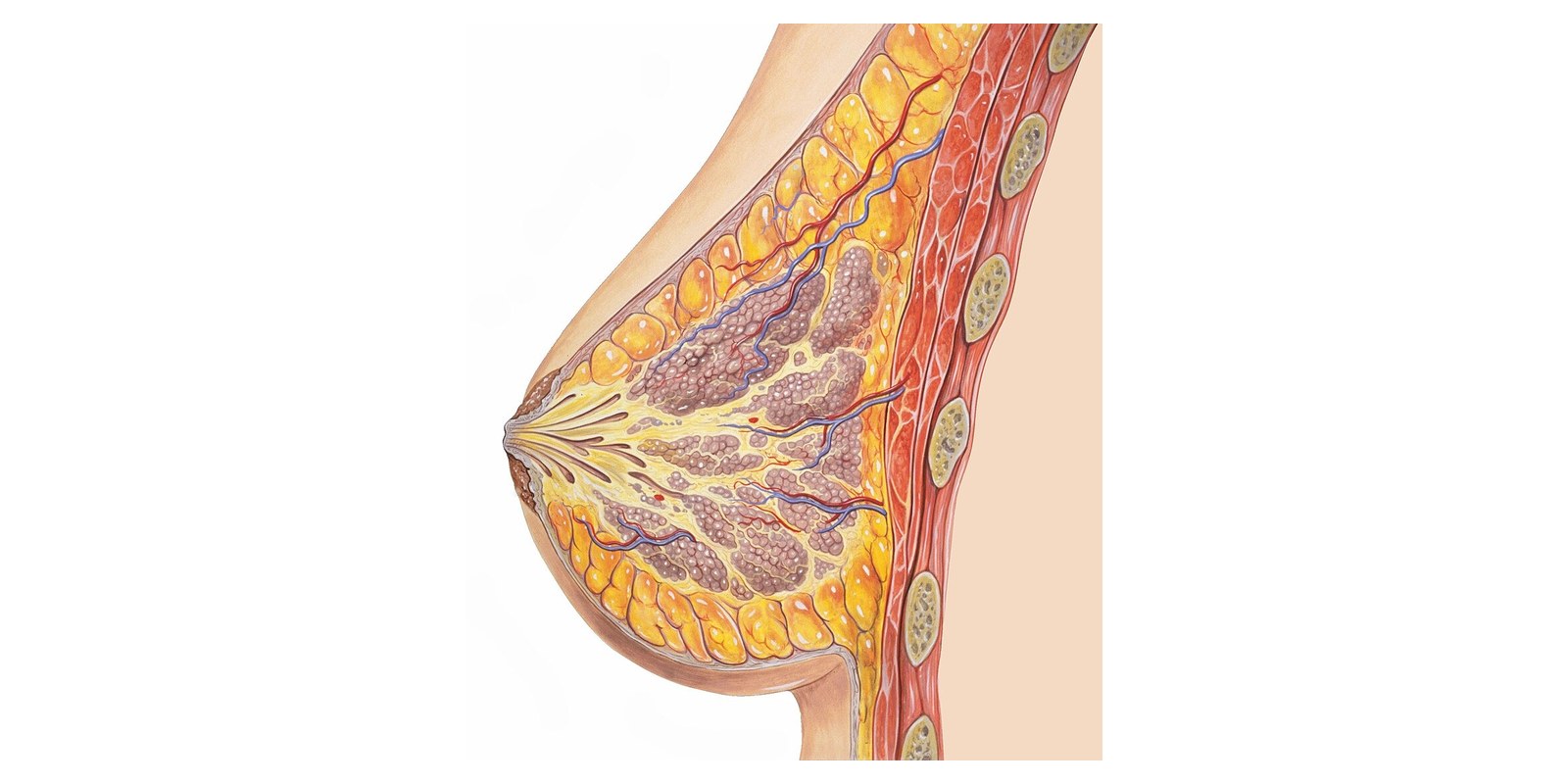
Breast diseases cover a wide group of conditions, from benign breast cysts and fibroadenomas to breast cancer. A palpable breast lump, breast pain, nipple discharge or changes in the skin of the…
Breast diseases cover a wide group of conditions, from benign breast cysts and fibroadenomas to breast cancer. A palpable breast lump, breast pain, nipple discharge or changes in the skin of the breast are among the reasons patients consult a General Surgery specialist.
Not every change noticed in the breast means cancer. A significant proportion of breast lumps are due to benign causes. Nevertheless, a newly appearing or growing breast lump, changes in the nipple or the skin of the breast, and certain types of nipple discharge should be evaluated.
The aim in breast disease is to achieve early diagnosis of breast cancer while avoiding unnecessary interventions and determining the appropriate treatment for the patient.
What Are the Most Common Breast Diseases?
Breast diseases can be broadly divided into benign and malignant conditions.
Commonly encountered breast diseases include:
Breast cysts
Fibroadenoma
Fibrocystic changes
Breast infections and mastitis
Breast abscess
Intraductal papilloma
Nipple discharge
Breast cancer
Depending on the type of disease, observation alone may be sufficient, or a biopsy, medication or surgical treatment may be needed.
What Causes a Lump in the Breast?
A palpable breast lump is one of the most important reasons women consult a General Surgery specialist. The cause of a breast lump can vary according to age and the person’s clinical characteristics.
Benign conditions such as fibroadenoma and breast cysts can produce a lump in the breast. Breast cancer can also present as a breast lump.
For this reason, whether a newly noticed breast lump is benign or malignant should not be decided by manual examination alone.
Is Every Palpable Breast Lump Cancer?
No. Not every palpable lump in the breast is breast cancer. In young women in particular, benign causes such as fibroadenomas and cysts are common.
However, whether a lump is painful or painless does not by itself indicate whether it is benign or malignant.
The evaluation combines the patient’s age, examination findings and appropriate imaging methods. A breast biopsy is performed when necessary.
What Is a Fibroadenoma?
A fibroadenoma is one of the benign breast lumps seen frequently, particularly in young women. It is usually noticed as a well-defined, mobile lump.
Not all fibroadenomas need to be operated on. The decision between follow-up and surgical treatment can be made by evaluating the imaging features, the size of the lump, whether it is growing, the patient’s age and, when needed, the biopsy result.
When Does a Fibroadenoma Need Surgery?
The decision for surgery in fibroadenomas is evaluated separately for each patient.
Surgical removal of the lump may come onto the agenda for rapidly growing lumps or those reaching a large size, when there is suspicion in the imaging or biopsy findings, or for other patient-specific reasons.
The idea that every fibroadenoma must be operated on is not correct.
What Is a Breast Cyst?
Breast cysts are fluid-filled structures and can be quite common, particularly in certain age groups.
Some breast cysts cause no complaints, while others can cause pain or tenderness. Lesions showing simple cyst features on ultrasound are usually benign.
Depending on the characteristics of the cyst and the patient’s complaints, follow-up or, when necessary, an intervention can be planned.
What Causes Breast Pain?
Breast pain (mastalgia) is a common complaint and is not, on its own, a typical sign of breast cancer.
Breast pain can be related to hormonal changes linked to the menstrual cycle, to benign changes in the breast tissue, or to causes outside the breast such as the musculoskeletal system.
Evaluation is appropriate particularly for pain that persists in a single area, is new in onset or is accompanied by other breast findings.
What Causes Nipple Discharge?
Nipple discharge can have many different causes.
Hormonal factors, certain medications, benign diseases of the milk ducts and, more rarely, breast cancer can cause discharge.
In particular, discharge that appears spontaneously, comes from a single breast and a single duct, or is bloody may require more detailed evaluation.
What Are the Symptoms of Breast Cancer?
Breast cancer may cause no symptoms in the early period. This is why screening programs are important for women in the appropriate age and risk groups.
Symptoms that can be seen in breast cancer include:
A new lump in the breast
A lump in the armpit
Dimpling or indentation of the breast skin
New inward retraction of the nipple
A new change in the shape or size of the breast
Thickening or noticeable changes in the breast skin
Certain types of nipple discharge
The presence of any of these symptoms does not directly mean breast cancer. However, it does need to be evaluated.
How Is Breast Cancer Diagnosed?
The basic approach in evaluating breast disease is the combined assessment of clinical examination, imaging and, when necessary, biopsy.
Depending on the patient’s age and clinical situation, methods such as:
Breast ultrasound
Mammography
Breast MRI
Breast biopsy
can be used.
In a suspicious breast lump, the definitive diagnosis is usually made by pathological examination of tissue obtained by biopsy.
What Is Mammography?
Mammography is a method that images the breast tissue using low-dose X-rays. It holds an important place particularly in breast cancer screening.
Mammography is not used only to evaluate palpable lumps. It can help detect certain signs of breast cancer and microcalcifications that cannot yet be felt by hand.
The age at which screening starts and how often it is performed should be determined according to the person’s age and breast cancer risk.
When Is Breast Ultrasound Performed?
Breast ultrasound is a frequently used imaging method for evaluating breast tissue that involves no radiation.
It can provide important information, particularly in young patients and in the evaluation of a palpable breast lump. It also helps determine whether a lump is cystic or solid.
Mammography and ultrasound do not have to be alternatives to each other. Depending on the patient’s age and clinical situation, they can complement one another.
When Is Breast MRI Needed?
Breast magnetic resonance imaging (breast MRI) is not routinely required in every patient.
It can be used in specific situations, such as screening in certain people at high risk of breast cancer, or assessing the extent of disease in some patients diagnosed with breast cancer.
The need for breast MRI should be decided according to the patient’s clinical characteristics.
What Is BI-RADS?
A classification system called BI-RADS is frequently used in breast imaging reports.
BI-RADS helps standardize the reporting of mammography, ultrasound and breast MRI findings and guides the next steps.
A BI-RADS category should not be assessed in isolation; it must be considered together with the patient’s examination, age, risk factors and other imaging findings.
What Is a Breast Biopsy?
For breast lesions found suspicious on imaging, a breast biopsy may be needed for definitive diagnosis.
Today, image-guided needle biopsies are used for many breast lesions. Core (tru-cut) biopsy in particular is one of the frequently used methods for evaluating suspicious breast lumps.
The biopsy result reveals not only whether the lump is benign or malignant but also, if breast cancer is found, certain biological features that are important for treatment planning.
How Is Breast Cancer Treated?
Breast cancer treatment is not determined by any single feature of the disease.
Treatment planning takes into account many factors:
The size of the tumor
Its location and extent within the breast
The state of the lymph nodes in the armpit
The stage of the disease
The biological features of the tumor
Hormone receptors
HER2 status
The patient’s age and general health
Alongside surgery, chemotherapy, radiotherapy, hormone therapies and targeted therapies can be used in treatment.
In some patients surgery is the first treatment, while in others it may be more appropriate to give systemic treatment before surgery.
How Is Breast Cancer Surgery Performed?
The main aim of breast cancer surgery is to remove the tumor with safe surgical margins.
Today, breast cancer surgery does not mean removing the entire breast in every patient. In suitable patients, the tumor is removed together with a sufficient margin of surrounding breast tissue, and most of the breast can be preserved. This is called breast-conserving surgery.
In some patients, however, removal of the entire breast — a mastectomy — may be necessary.
Which operation is appropriate is decided by evaluating the characteristics of the tumor and patient-related factors together.
What Is Breast-Conserving Surgery?
Breast-conserving surgery is the removal of the part of the breast containing the cancer together with a sufficient margin of healthy tissue, while preserving the rest of the breast.
In suitable patients, radiotherapy is usually part of the treatment plan after breast-conserving surgery.
Whether breast-conserving surgery is feasible depends on the size of the tumor, its extent within the breast, the breast-to-tumor ratio and other clinical factors.
What Is a Mastectomy?
A mastectomy is the surgical removal of all of the breast tissue.
A mastectomy may be preferred in certain large or extensive tumors, when there are multiple tumors in different parts of the breast, or for other patient-specific reasons.
In suitable patients, breast reconstruction can be planned either in the same operation as the mastectomy or at a later stage.
What Is Sentinel Lymph Node Biopsy?
One of the important issues in breast cancer is determining whether cancer cells have reached the lymph nodes in the armpit.
The sentinel lymph node is one of the first lymph nodes reached by the lymphatic drainage of the breast. In suitable patients, a sentinel lymph node biopsy can provide information on whether removal of all the lymph nodes in the armpit is necessary.
This approach helps avoid more extensive armpit surgery in patients who do not need it.
Are the Lymph Nodes in the Armpit Always Removed in Breast Cancer?
No. In modern breast cancer surgery, routine removal of all the lymph nodes in the armpit is not necessary for every patient.
Whether axillary lymph node dissection is required is decided by evaluating the patient’s clinical situation, the sentinel lymph node results, the other treatments given and the characteristics of the disease.
The aim is to maintain the safety of the cancer treatment while avoiding unnecessary surgery and its associated complications.
What Treatments Are Given After Breast Cancer Surgery?
Post-operative treatment is determined by the pathology result and the characteristics of the disease.
Depending on the patient, the following may come onto the agenda:
Radiotherapy
Chemotherapy
Hormone therapy
HER2-targeted therapies
Other systemic treatments
Not every breast cancer patient receives the same treatments. This is why breast cancer treatment should be planned with a multidisciplinary approach.
Can Breast Cancer Be Detected Early?
Early diagnosis is important in breast cancer.
It is valuable for a person to know the normal look and feel of her own breasts and to notice new changes. In addition, regular breast cancer screening in the appropriate age and risk groups can help detect breast cancers that are not yet causing complaints.
In people at high familial or genetic risk, the screening program may differ from that of the standard population.
Does a Family History of Breast Cancer Increase the Risk?
A family history of breast cancer can increase the risk of breast cancer in some people. However, not every patient who develops breast cancer has a family history.
Evaluation for hereditary cancer predisposition may be needed, particularly in people who develop breast cancer at a young age or who have more than one case of breast and/or ovarian cancer in the family.
Genetic counseling and genetic testing may come onto the agenda in suitable patients.
Does Breast Cancer Occur in Men?
Yes. Although breast cancer is much more common in women, it can also develop in men.
In men, symptoms such as a new hard lump in the breast area, retraction of the nipple or discharge should be evaluated.
When Should You See a General Surgeon for Breast Disease?
In particular, evaluation is recommended if there is:
A new lump in the breast
A growing breast lump
A lump in the armpit
Spontaneous or bloody discharge from the nipple
New retraction of the nipple
Dimpling or a change in the shape of the breast skin
Unexplained breast complaints that persist in a single area
Not every change noticed in the breast means cancer. Nevertheless, in breast disease, the correct diagnosis, appropriate imaging and, when needed, a biopsy are important both for preventing unnecessary anxiety and for identifying conditions requiring treatment at an early stage.
Frequently Asked Questions
Is every palpable breast lump cancer?
No. A significant proportion of breast lumps are benign. However, a newly noticed lump needs to be evaluated.
Can a painful breast lump be cancer?
Pain does not by itself indicate whether a lump is benign or malignant. The lump needs to be evaluated by examination and appropriate imaging.
Should a fibroadenoma be operated on?
Not every fibroadenoma is operated on. The decision is based on the size of the lump, whether it is growing, the imaging findings and, when needed, the biopsy results.
Is a breast cyst cancer?
Simple breast cysts are benign. However, the approach to lesions showing complex features on imaging can differ.
Can a breast biopsy spread cancer?
Needle biopsy is a standard and important step in diagnosing suspected breast cancer. The idea that a properly performed breast biopsy spreads cancer is not correct.
Which is better — mammography or ultrasound?
These two methods are not direct alternatives to each other. Depending on the patient’s age and clinical situation, they can be used alone or together.
Is the whole breast removed in breast cancer?
Not always. Breast-conserving surgery can be performed in suitable patients.
Are the lymph nodes in the armpit removed in breast cancer surgery?
Removal of all the lymph nodes is not necessary in every patient. Sentinel lymph node biopsy can be used in suitable patients.
Can breast cancer be completely cured?
The course of breast cancer varies according to the stage of the disease and its biological features. Diagnosis at an early stage and appropriate treatment, in particular, are important for achieving successful outcomes.
Related Content
Have questions about your treatment?
Our team is available 24/7 with multilingual support.

Transforming Lives Beyond Expectations

Gastric Sleeve Surgery

Gastric Sleeve Surgery

Gastric Sleeve Surgery
Follow Dr. Gül on Instagram


